


 سفارش آنلاین

 ضمانت سلامت فیزیکی
 ضمانت اصالت کالا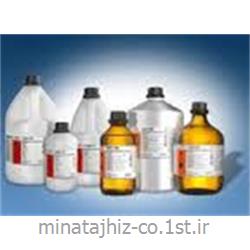

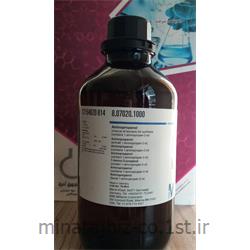
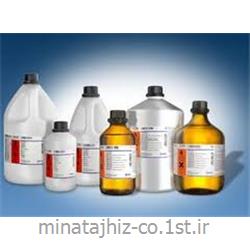

-%d8%a7%d8%b3%d8%aa%db%8c%d9%84-%d8%a7%d8%b3%d8%aa%d9%88%d9%86%d8%a7%d8%aa.jpg)
| Description | |
|---|---|
| Catalogue Number | 806917 |
| Synonyms | 1-Aminooctane, Caprylamine |
| Description | Octylamine |
| Product Information | |
|---|---|
| CAS number | 111-86-4 |
| EC number | 203-916-0 |
| Hill Formula | C₈H₁₉N |
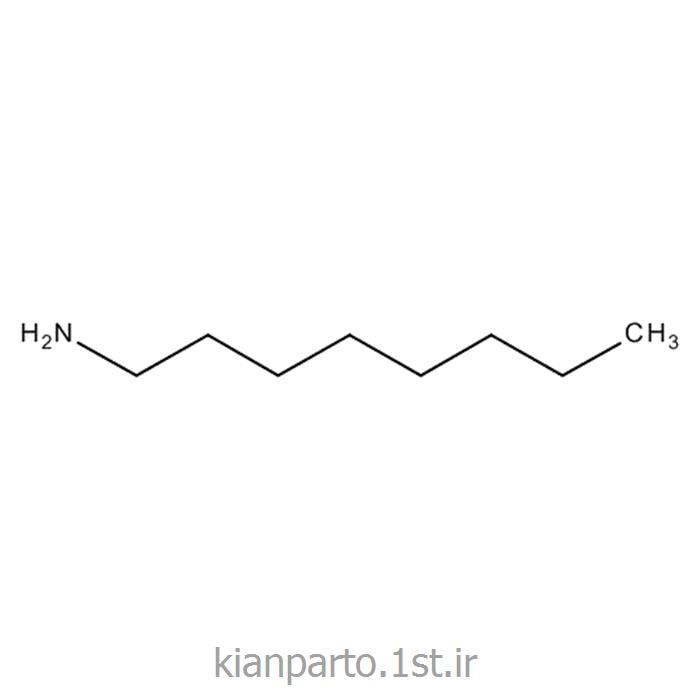
| Chemical formula | CH₃(CH₂)₇NH₂ |
| Molar Mass | 129.24 g/mol |
| HS Code | 2921 19 99 |
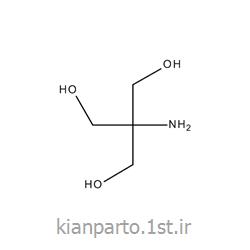
| Structure formula Image | |
| Applications | |
|---|---|
| Application | Octylamine for synthesis. CAS 111-86-4, EC Number 203-916-0, chemical formula CH₃(CH₂)₇NH₂. |
| Physicochemical Information | |
|---|---|
| Boiling point | 178 - 179 °C (1013 hPa) |
| Density | 0.78 g/cm3 (20 °C) |
| Explosion limit | 1.6 - 8.2 %(V) |
| Flash point | 60 °C |
| Ignition temperature | 265 °C |
| Melting Point | -1 °C |
| pH value | 11.8 (100 g/l, H₂O, 25 °C) |
| Vapor pressure | 1 hPa (20 °C) |
| Solubility | 0.32 g/l |
| Toxicological Information | |
|---|---|
| LD 50 oral | LD50 Rat > 250 mg/kg |
| LD 50 dermal | LD50 Rabbit 200 - 2000 mg/kg |
| Safety Information according to GHS | |
|---|---|
| Hazard Pictogram(s) |     |
| Hazard Statement(s) | H226: Flammable liquid and vapour. H290: May be corrosive to metals. H301 + H311: Toxic if swallowed or in contact with skin H314: Causes severe skin burns and eye damage. H332: Harmful if inhaled. H410: Very toxic to aquatic life with long lasting effects. |
| Precautionary Statement(s) | P210: Keep away from heat. P273: Avoid release to the environment. P280: Wear protective gloves/ protective clothing/ eye protection/ face protection. P301 + P330 + P331: IF SWALLOWED: Rinse mouth. Do NOT induce vomiting. P302 + P352: IF ON SKIN: Wash with plenty of soap and water. P305 + P351 + P338: IF IN EYES: Rinse cautiously with water for several minutes. Remove contact lenses, if present and easy to do. Continue rinsing. P308 + P310: IF exposed or concerned: immediately call a POISON CENTER or doctor/ physician. |
| Storage class | 3 Flammable liquids |
| WGK | WGK 2 water endangering |
| Disposal | 3 Relatively unreactive organic reagents should be collected in container A. If halogenated, they should be collected in container B. For solid residues use container C. |
| Safety Information | |
|---|---|
| Hazard Symbols |  Corrosive Corrosive Dangerous for the environment Dangerous for the environment |
| Categories of danger | harmful, corrosive, dangerous for the environment |
| R Phrase | R 20/21/22-34-50 Harmful by inhalation, in contact with skin and if swallowed.Causes burns.Very toxic to aquatic organisms. |
| S Phrase | S 26-36/37/39-45-61 In case of contact with eyes, rinse immediately with plenty of water and seek medical advice.Wear suitable protective clothing, gloves and eye/face protection.In case of accident or if you feel unwell, seek medical advice immediately (show the label where possible).Avoid release to the environment. Refer to special instructions/ Safety data sheets. |
| Storage and Shipping Information | |
|---|---|
| Storage | Store below +30°C. |
| Transport Information | |
|---|---|
| Declaration (railroad and road) ADR, RID | UN 2734 , 8 (3), I |
| Declaration (transport by air) IATA-DGR | UN 2734 , 8 (3), I |
| Declaration (transport by sea) IMDG-Code | UN 2734 , 8 (3), I, Segregation Group: 18 (Alkalis) |
| Specifications | |
|---|---|
| Assay (GC, area%) | ≥ 99.0 % (a/a) |
| Density (d 20 °C/ 4 °C) | 0.781 - 0.783 |
| Identity (IR) | passes test |











-%da%a9%d8%af101810-%d9%85%d8%b1%da%a9.jpg)

-%d8%a7%d8%aa%db%8c%d9%84-%d8%aa%d8%b1%db%8c-%d9%85%d8%aa%db%8c%d9%84-%d8%a2%d9%85%d9%88%d9%86%db%8c%d9%88%d9%85-%da%a9%d9%84%d8%b1%db%8c%d8%af-%da%a9%d8%af-408107-%d8%b3%db%8c%da%af%d9%85%d8%a7.jpg)